As parents, we want our kids to be able to manage their big feelings. The party line is: so that they can grow up to be functional, healthy adults. This is SO true! However, it’s also true that it makes things SO much easier and convenient for us, which is often the real reason why we parent the way we do.
By Lynn Jenkins, Clinical Child Psychologist and Hypnotherapist at Life Matters
Research shows that kids are like little sponges, especially between the ages of 0 and 7. Bear with me here…
Our brains operate across four main brainwave states:
a very active one
a slightly slower one
a slower one again
and a very slow one.
From birth to around age two, children’s brains are dominated by the slower brainwaves. From roughly ages two to seven, they are dominated by the slightly slower ones. Here’s the crucial part: when we do hypnosis, we intentionally guide a person’s brainwaves into at least this “slower” state. Why? Because when the brain is operating more slowly (i.e. in a relaxed state), we become more suggestible; which is exactly how re-programming can occur.
Children between the ages of 0 and 7 are naturally suggestible. In other words, they are primed to absorb the words, tone, and treatment that consistently come their way; just like dry skin absorbs moisturiser.
This means we actually have far more power to influence behaviour and outcomes than we might realise.
How? Modelling.
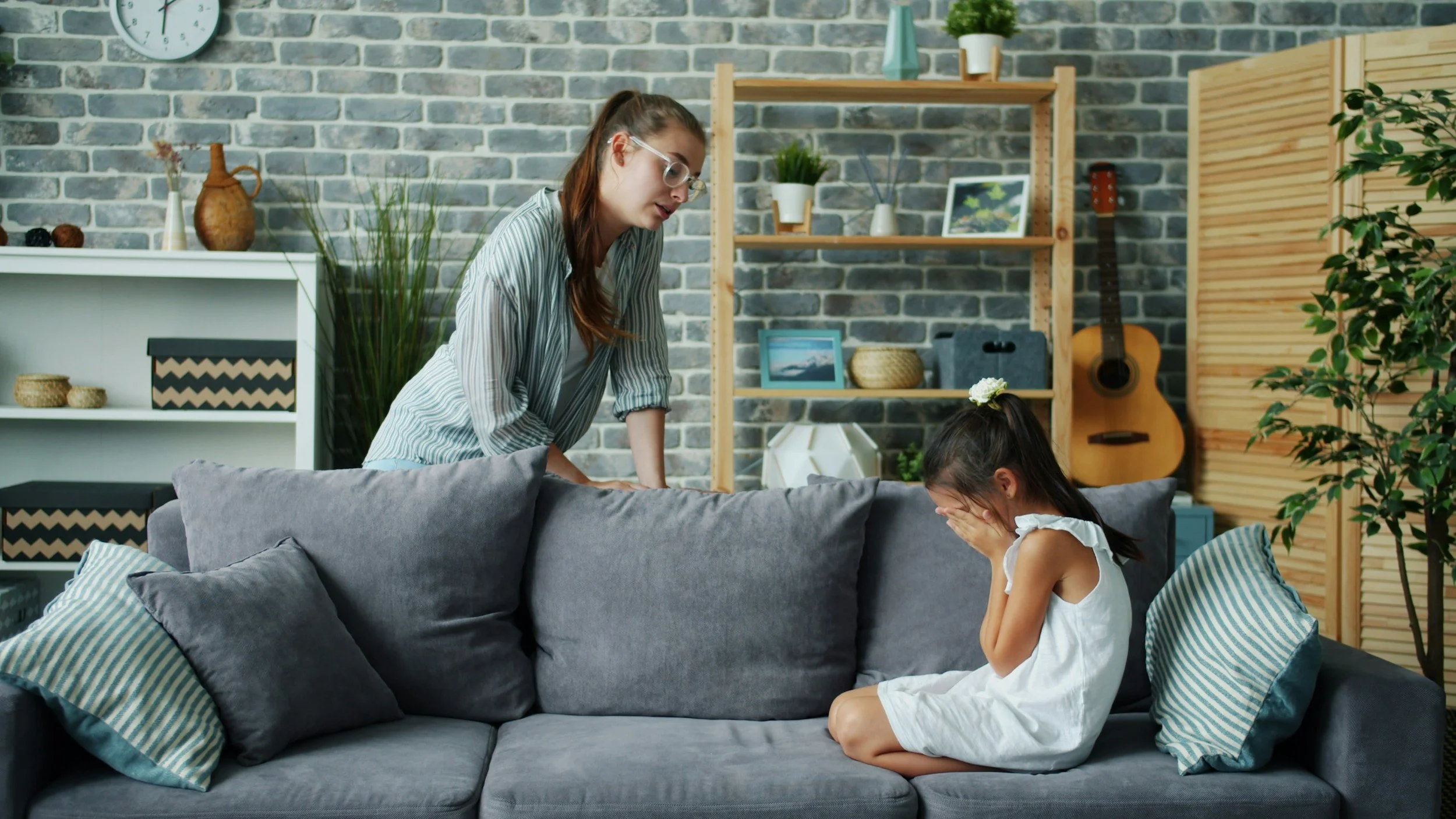
So imagine a young child who regularly hears messages such as:
“Stop being annoying.”
“You talk too much.”
“Why can’t you behave like everyone else?”
That child is absorbing. Absorbing. Absorbing.
In addition to being naturally absorbent, there are several other developmental factors at play. Children are egocentric; thinking life is all about them. This translates to the feeling that it must be them being annoying. Them talking too much. Them acting so differently to everyone else.
At the same time, they’re at the mercy of their wiring, because negativity sticks like Velcro. They’re also at the mercy of how the mind works, seeking proof for what it believes to be true.
So a particular potion begins to brew.
The ingredients:
Regular negative feedback
Negativity sticking like Velcro
Everything being about them
A mind primed to notice only evidence that confirms something negative
Add in one more key factor: anything that is experienced consistently over time becomes automatic and eventually sinks into the unconscious mind aka. the engine under the hood. We can’t see it, but it drives everything.

So, what’s the result?
An anxious child
A child with low self-esteem
An angry child
A child with very poor confidence
A child with “behaviours”
And here lies the problem: people only respond to what the child presents with, which is just a surface level the behaviour. Those who respond only to behaviour are seriously missing the mark.
Admonishing. Punishing. Exerting control.
Hmm… that sounds like more negative feedback directed at a little human whose brain is wired for negativity to stick, whose world is still entirely about them, and whose mind is constantly seeking proof of the story they’ve already absorbed.
What do you think the result will be?
I’ll leave that to your intelligent mind.
When I work with adults in hypnotherapy to uncover the roots of their struggles, it almost always comes down to three core beliefs:
“I am unlovable”
“I have low worth” / “I’m not important”
And the biggest one: “I am not good enough”
Kids are excellent observers but terrible interpreters. They hear, see, feel, and experience what happens around them (and what is directed at them) but they do not yet have the brain development to interpret it accurately.
Because of their developmental stage, they absorb it all as being about them and because of them.
Imagine a gorgeous, tiny, big-eyed, baby-faced child in a too-big school uniform saying, “I am bad.” It’s heartbreaking. They have arrived at this conclusion in response to the feedback they’ve received from the adults around them.
We adults need to do better.
NO KID IS BAD.
NO KID WANTS TO BE BAD.
THERE IS ALWAYS A REASON FOR BEHAVIOUR.
Please be curious and ask yourself: “What is their story? …and what might they need?”
Do they perceive that they are safe?
Do they feel comfortable?
Do they feel they have enough autonomy?
Do they feel they belong?
Do they feel competent at something?
What they need is for us to try to understand what might sit behind the behaviour.
Curiosity sounds like:
What’s happening at home?
How do you experience school life?
How does it feel to you with all the noise, light, textures, rules, and expectations?
Do you feel you have any say or influence over your life?
How do you feel you fit in at school? What about at home? Do you feel “in” or “out” most of the time?
Do you feel you’re good at something? Is it academics, sport, art, gaming, sewing, creating, thinking outside the box?
If the answer is “no,” consider building opportunities for this into their life and see what changes.
Kids need a few simple things to feel settled:
Safety (housing, nourishment)
Being rested, fed, hydrated, relaxed, and pain-free
Connection with others, and a sense of belonging to a tribe
Some influence or control over their life, not being entirely at the mercy of someone else
A sense of worth, and knowing they have something to offer and are good at something
Feeling competent creates worth. Worth creates belonging. Belonging equals safety. Safety equals calm.
And calm… is what we’re aiming for.
So back to where we started: modelling; specifically modelling the core under-skills of managing big feelings:
Self-awareness
Pausing
Choosing
Here’s a simple way to practise this:
Pretend to be upset, worried, stressed, or anxious. Show it by using your hands, your face, or even a colour to describe how you feel.
Go to where you’ve blue-tacked a “pause” visual and physically press it.
Then say, emphatically:
“I am choosing to…”
…take a deep breath, look at a big tree, think of something that makes me feel calm and happy.
As I said earlier, kids are like sponges.
The good news?
You get to decide what they absorb.
Need support?
At Life Matters, we specialise in early intervention strategies, emotional regulation support, and parent-child connection work. If you’re struggling to implement this at home, reach out. We’re here to help.
Further reading
Life Matters Disclaimer
All content in our article is published for informational purposes only. It is not intended to be a substitute for professional psychological advice and should not be relied on as personal advice. Always seek the guidance of a qualified psychologist with any questions you may have regarding your mental health.