Most leaders we speak with already know psychological safety matters, but they don’t always know what to do about it. And few seem to realise that since 1 July 2026, following the Code is no longer optional.
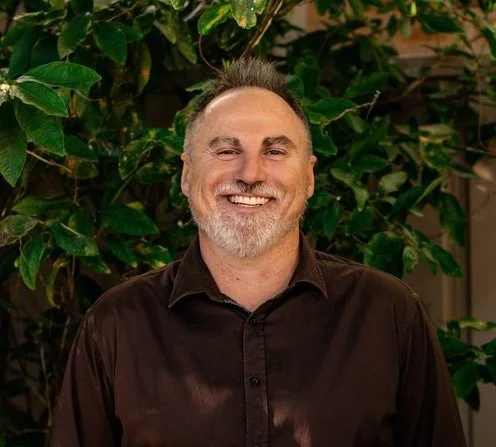
By Matt Stanton, Clinical Psychologist at Life Matters
The Managing Psychosocial Hazards at Work Code of Practice used to be general guidance. Now it sets the standard SafeWork NSW expects every workplace to meet. For many Hunter organisations, that's a big shift that can feel pretty overwhelming.
What changed on 1st July
A new section of the NSW Work Health and Safety Act (section 26A) means businesses must now either follow an approved Code of Practice, or manage the risk in another way that's just as effective.
Lawyers are calling it "comply or justify".
In practical terms, this means:
inspectors can act on psychosocial hazards before anyone is injured
psychosocial risk is one of SafeWork NSW's four enforcement priorities for 2026–27
directors and senior managers carry responsibility for making sure the business complies
the Code applies to every business, whatever its size
It’s not just about bullying
When people hear "psychosocial hazard", they often think of bullying or harassment. Those matter, but the Code is much broader.
A psychosocial hazard is anything in the design or management of work that can cause psychological harm.
Common hazards include:
high workloads, long hours and tight deadlines
low control over how work gets done
poor support from supervisors or colleagues
unclear roles or conflicting expectations
poorly managed change
exposure to traumatic events
remote or isolated work
conflict, bullying and harassment
aggression from customers or clients
fatigue and shift work
At Life Matters, we provide EAP services and mental health support to a wide range of Hunter organisations in industries such as mining, manufacturing, transport, healthcare and community services, and for many of them, several of the things listed are part of the job itself.

An EAP is support, not control
This is one of the most common gaps we see.
An Employee Assistance Program is a valuable support for people who are already struggling. But the Code expects organisations to look at the source of the risk first, such as workload, rosters, role design and how change is managed.
Support for individuals sits alongside those changes. It doesn't replace them.
Where to start
The Code follows the same risk management process most workplaces already use for physical safety: identify, assess, control and review, while consulting your workers along the way.
Five practical first steps:
read the Code (it's free on the SafeWork NSW website) and brief your leadership team
run a short, validated staff survey, such as People at Work
start a psychosocial hazard register alongside your physical one
give supervisors practical training, since most hazards show up first in day-to-day management
document your consultation, decisions and controls
That last step matters. If an inspector visits, written evidence is what shows you've taken reasonable steps.
Why this matters for organisations
Compliance is the new reason to act, but it isn't the only one.
Workplaces that manage psychosocial risk well tend to see fewer conflicts, steadier teams and fewer people leaving. People do their best work when the work itself is well designed.
The goal isn't paperwork. It's a workplace where people can do their jobs well and stay well.

Keen to take the next step?
If you'd like to understand where your organisation stands against the Code, our team is available to help. We offer a fixed-price Psychosocial Risk Check, ongoing psychosocial safety advice, practical manager training as well as our year-long Rise 360 program, alongside confidential EAP counselling.
Call us on (02) 4965 3530 or email info@lifematters.com.au for a free 20-minute conversation about your workplace. We're here to help.
Explore our Workplace Wellbeing services
Further reading
Guide: Mentally Healthy Workplaces | SafeWork NSW Codes of Practice
Life Matters Disclaimer
This article is general information only and isn't legal advice. For advice about your specific obligations, speak with a WHS professional or employment lawyer.