Is it ADHD, autism, or both? It’s one of the most common questions we hear from parents, and more and more from adults too. On the surface the two can look surprisingly alike.
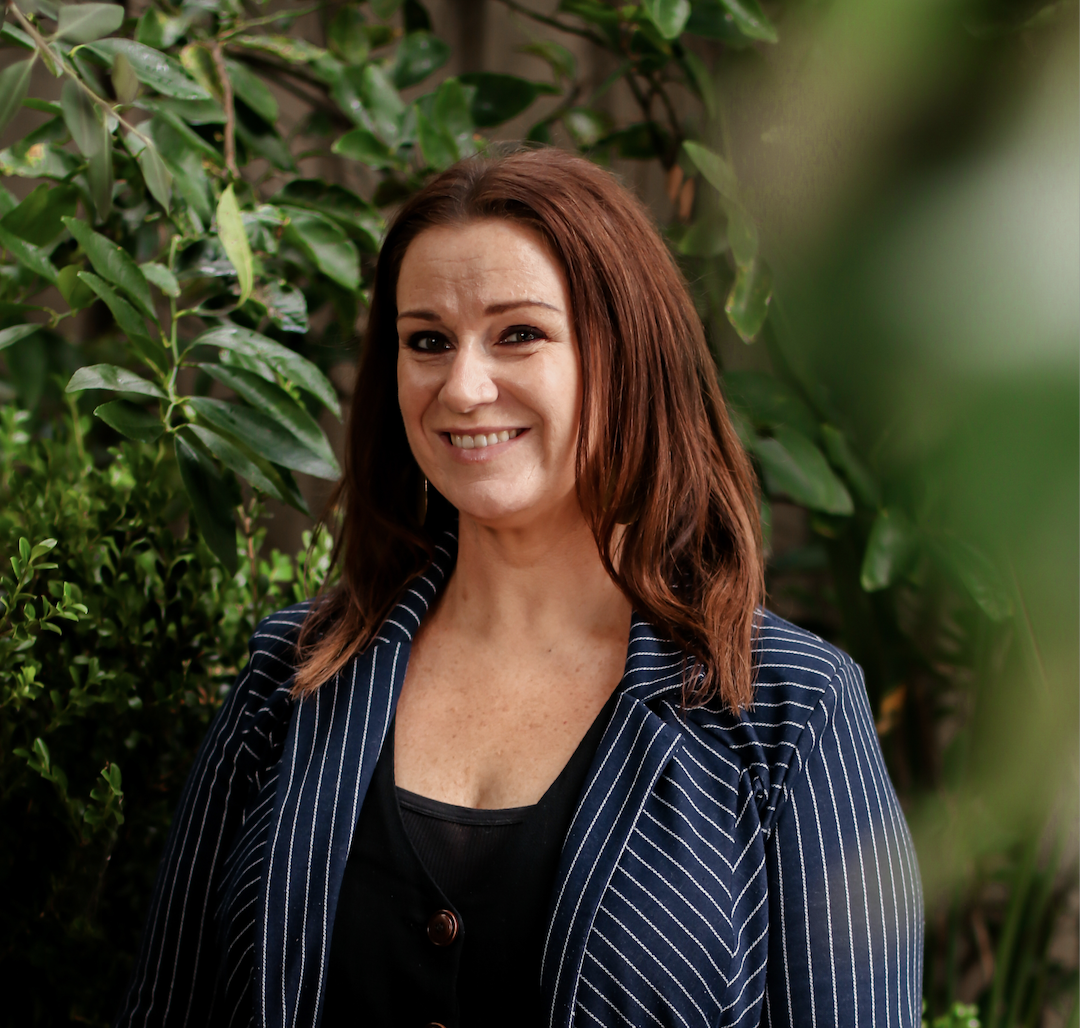
Lynn Jenkins, Clinical Psychologist, Author and Educator
ADHD and autism are different conditions, but they share many traits, and many people have both. A careful assessment looks past the behaviour to the reasons behind it.
Why the two get mixed up
ADHD and autism are both neurodevelopmental conditions. They’re differences in how the brain develops, and they’re present from childhood, even if they’re not noticed until much later.
From the outside, they can look the same.
A child who doesn’t follow instructions, struggles with friendships and melts down at the end of the school day could fit either picture. So could an adult who finds work exhausting, loses track of conversations and needs a long time to recover after social events.
The behaviour can look identical. The reasons behind it are often very different.
Where they overlap
Both ADHD and autism can involve:
difficulty paying attention in some situations
trouble with planning, organising and switching between tasks
big emotional reactions and slower recovery
social difficulties
sensory sensitivities, such as to noise, light or clothing
restlessness, fidgeting or repetitive movements
sleep difficulties
This is why a checklist alone can point you in the wrong direction.

Where they differ
The difference usually lies in why something is hard.
Attention: in ADHD, attention tends to drift, especially on tasks that aren’t interesting. In autism, attention is often deeply focused on areas of interest, and the hard part is shifting it.
Routine and change: many people with ADHD crave novelty and find routine boring. Many autistic people rely on predictability and find unexpected change distressing.
Social connection: a person with ADHD may understand the unwritten social rules but miss cues because they’re distracted or impulsive, such as interrupting. For an autistic person, the differences are in social communication itself, such as reading tone, intent or what’s expected.
Conversation: someone with ADHD might jump from topic to topic. Someone who is autistic might prefer to go deep on one topic.
None of these are hard rules. Every person is different, which is why it takes a skilled clinician to tease them apart.
Yes, you can have both
Until 2013, the diagnostic manual psychologists and psychiatrists use didn’t allow ADHD and autism to be diagnosed together. If someone was autistic, attention difficulties were simply seen as part of the autism.
That changed with the DSM-5. We now know the two often occur together. Estimates of how often vary widely between studies, but it’s common enough that a good assessment should consider both.
People with both often describe a push and pull. Part of them wants routine and predictability, and another part is bored by it and craves something new.
Getting the full picture matters. If only one condition is identified, supports may only help with half of what’s going on.
What we look for in children
For children, parents and teachers often see different sides of the same child. That’s useful information.
Signs that often prompt an assessment:
struggles at school that don’t match how bright the child is
frequent meltdowns, especially after school
trouble making or keeping friends
strong reactions to noise, textures or changes in plans
intense interests, or difficulty moving on from activities
teachers describing them as “in their own world” or “never sits still”
A good assessment draws on developmental history, information from home and school, and time spent with the child.
What we look for in adults
Many adults we see have spent years feeling different without knowing why.
Some were diagnosed with anxiety or depression first. Others have become very good at masking: copying social behaviour and pushing through, at a real cost to their energy.
Adults often tell us about:
feeling exhausted by work or social situations that others seem to manage easily
long-standing trouble with organisation, deadlines or follow-through
burnout that keeps coming back
feeling out of step socially, even with close friends
a child’s diagnosis that made them recognise themselves
Women and girls in particular are often diagnosed later, because their traits can look different or be easier to miss.
It’s never too late to understand yourself better.

What about the new GP ADHD pathway?
From late October 2026, trained NSW GPs can assess and diagnose ADHD in people aged 6 and over. That’s good news, and for many people with a straightforward picture it will be quicker and more affordable.
But GPs can’t diagnose autism. NSW Health notes that psychologists are often involved in ADHD assessment when there are co-occurring conditions such as autism.
If autism might be part of the picture, a psychologist-led assessment that considers both can save you a second round of assessments later. GPs are welcome to refer to us, and our GP referral information has everything they need.
What an assessment at Life Matters involves
Our assessments are psychology-led and delivered by experienced clinicians who spend much of their week on assessment work.
Here’s how it works:
contact our Assessments team, or complete the pre-assessment form
a pre-assessment session with a psychologist to understand your concerns and history
a recommended assessment package, which can look at ADHD, autism or both
assessment sessions over a few weeks, using research-backed tools and information from family or school where relevant
a feedback session to talk through the results, followed by a written report
Reports are usually ready within 3–4 weeks of completing the assessment. They include your results, any diagnoses that apply, and practical recommendations for home, school or work.
Fees depend on the assessment package. Our Assessments team can confirm whether any Medicare rebate applies.
We generally have assessment availability within days, in person at our Hamilton clinic.
Keen to take the next step?
If you’re wondering whether ADHD, autism or both might explain what you or your child are experiencing, our Assessments team is available to help.
Call us on (02) 4965 3530 or email info@lifematters.com.au, or start with our pre-assessment form.
We’re here to help.
Further reading
How to know if you might need an adult ADHD assessment
The Misunderstoods: what to do when your kid doesn’t fit the mould
Life Matters Disclaimer
This article is general information only and isn’t a diagnosis or a substitute for professional advice. If you have concerns about yourself or your child, speak with your GP or a qualified health professional.